Biography
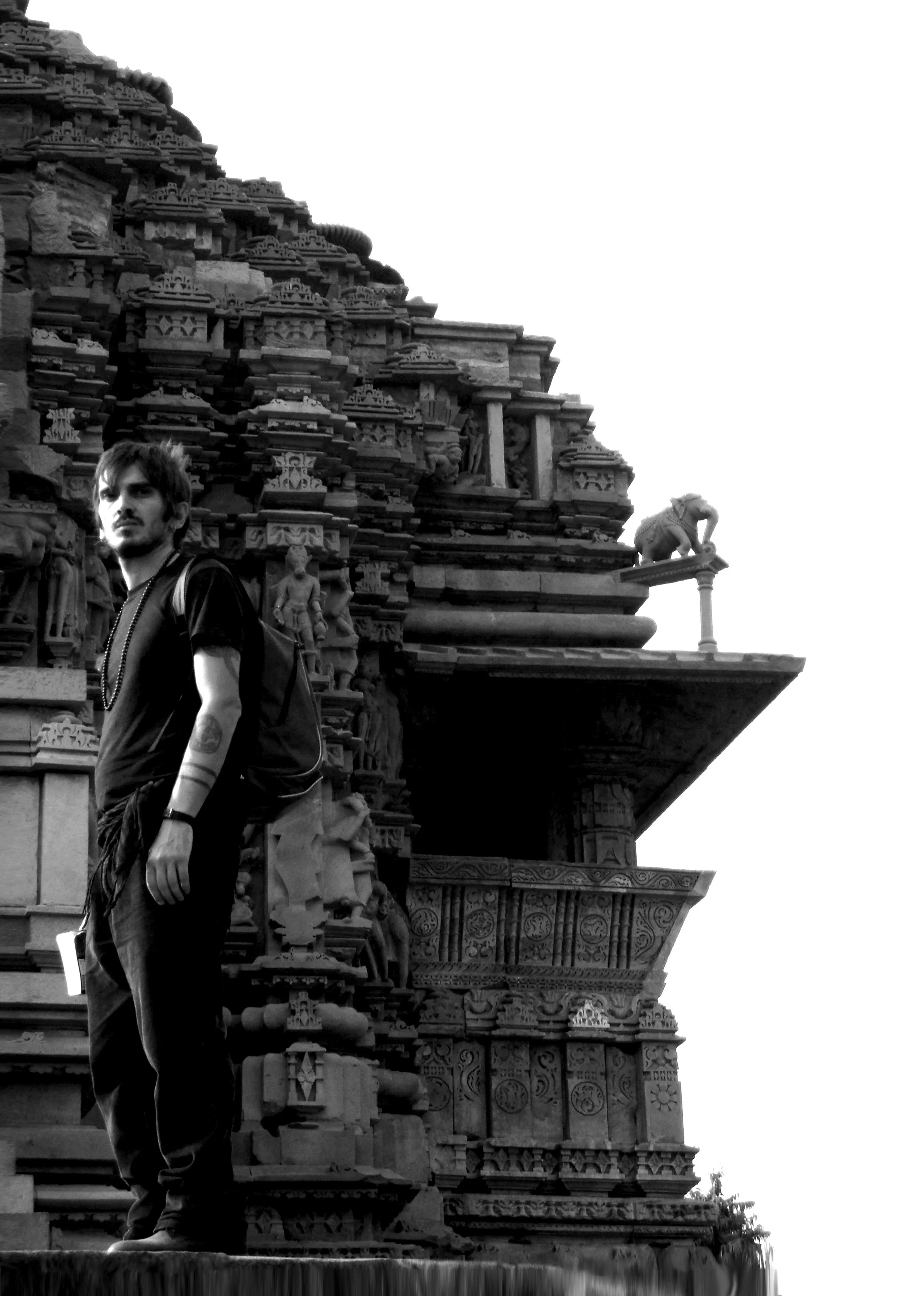
Toni Alfano is an Italian contemporary artist, born in Legnano (Milan) in 1977, and currently lives and works in Casole d’Elsa (Siena).
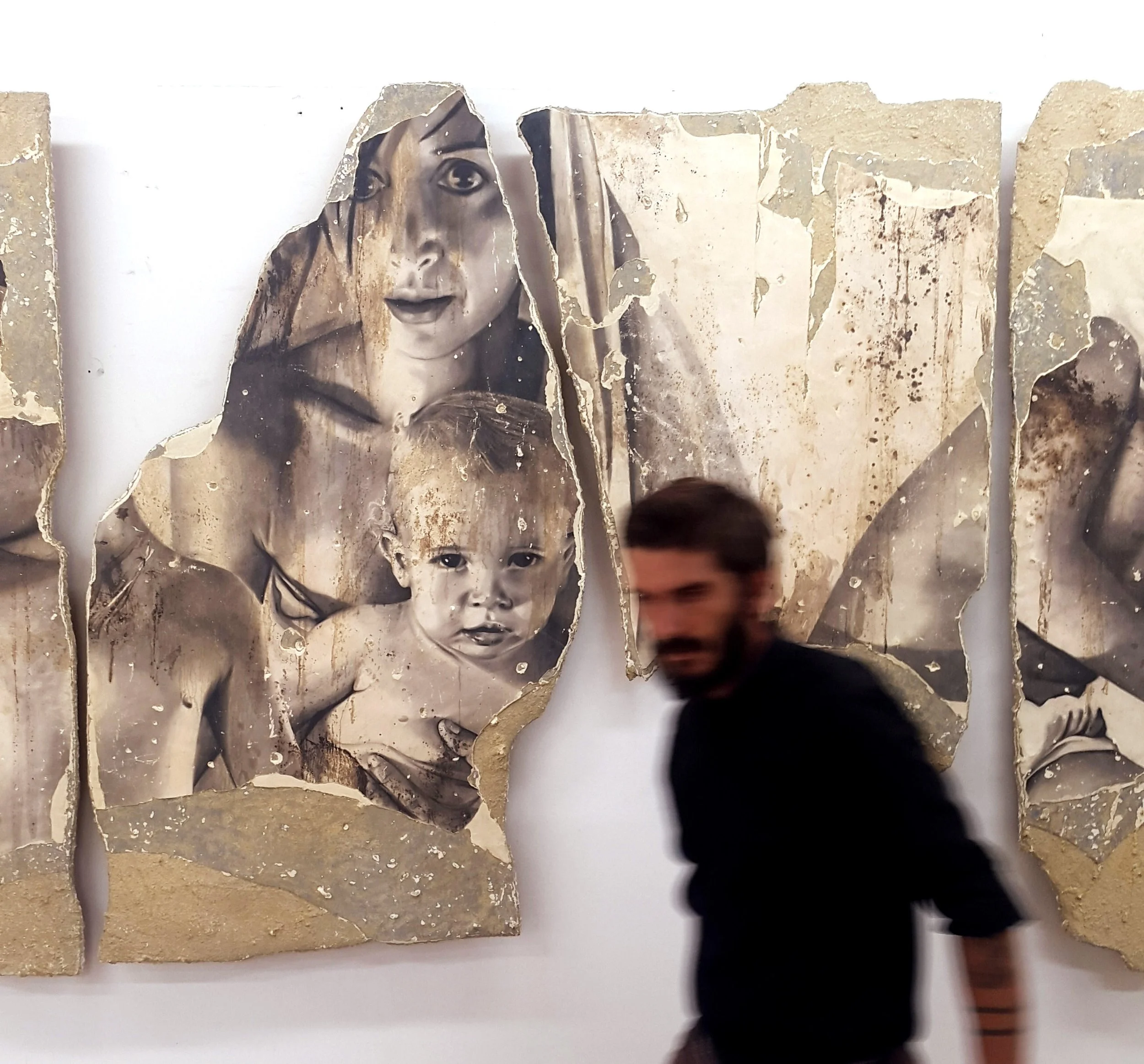
His artistic practice develops along a transversal path that connects classical figurative painting with its deconstruction through informal and material processes. At the core of his research are the concepts of the “palimpsest” and the stratification of memory—ideas that the artist explores through the physical nature of his materials, working with cement-based supports and the descialbo technique to reveal concealed layers, as well as through an ongoing investigation into anthropological, cultural and social themes.

Alongside his studio practice, Alfano develops expressive projects linked to the phenomena of spontaneous art and non-pharmacological therapies. He has worked extensively in hospices, sub-acute units for patients in vegetative states, and residential care facilities, conducting expressive workshops with individuals living with Alzheimer’s disease.
This daily, visceral confrontation with the fragmentation and re-emergence of memory has profoundly influenced his artistic vision, transforming the act of painting and scraping the surface into a profound archaeological excavation of human identity.
In 2014, he published the graphic novel Pompei (Neo Edizioni), a visual essay on self-discovery through the codes of the creative process.
In 2019, to mark the 26th World Alzheimer’s Day, he exhibited his monumental work The Hidden Gate at the MA*GA Museum in Gallarate—a perfect synthesis of his exploration into the boundary between oblivion and presence.
Active within major international contemporary art fair circuits, Alfano exhibits regularly in private galleries and public institutions, emerging as an original voice in contemporary matter and anthropological painting.